


What is the difference between a 2 roller mill and a 3 roller mill
You will notice the main difference between a 2-roller mill and a 3 roller mill in how they process materials. A 2-roller mill uses two rollers to crush grains or other materials in a single pass. A 3 roller mill uses three rollers to give you a finer and more consistent crush. This design improves efficiency, control, and quality. For industrial needs, Zili’s High-Precision Three Roll Mills offer advanced features for top performance.
Feature | 2-Roller Mill | 3 Roller Mill |
|---|---|---|
Crush Quality | Good | Excellent |
Efficiency | Moderate | High |
Adjustability | Basic | Advanced |
Cost | Lower | Higher |
Suitability | Homebrewing | Home & Industrial Applications |
Key Takeaways
A 3 roller mill provides a finer and more consistent crush than a 2 roller mill, improving efficiency and control in both homebrewing and industrial applications.
Choose a 2 roller mill for simple homebrewing tasks; it is easier to maintain and costs less, making it ideal for beginners.
For larger batches or industrial use, a 3 roller mill is more efficient, allowing for continuous operation and higher throughput.
Adjustability is key; a 3 roller mill allows for precise gap adjustments, enabling better control over the crush size for different grain types.
Investing in a high-quality mill, like Zili’s High-Precision Three Roll Mills, can save money in the long run through better performance and durability.
2 Roller Mill vs 3 Roller Mill
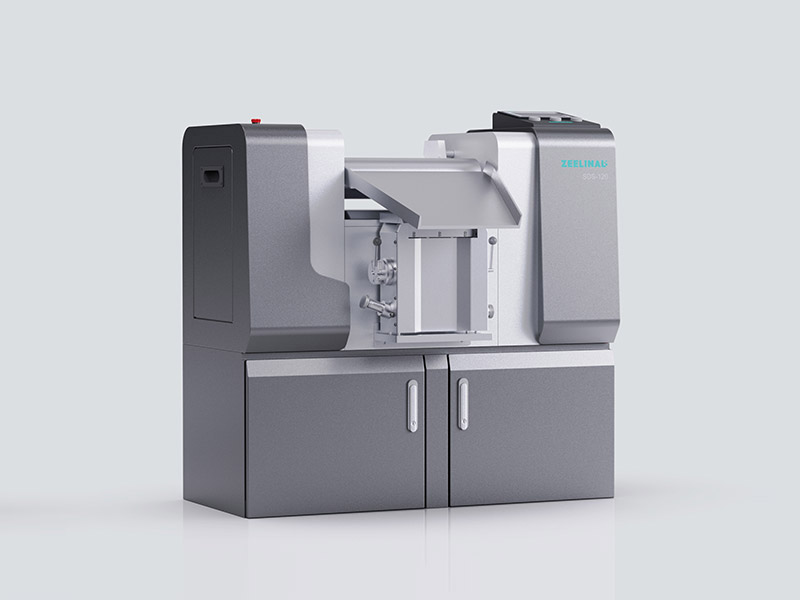
Basic Design Differences
You can see clear differences when you compare a 2-roller mill and a 3 roller mill. The main difference is the number of rollers. A 2-roller mill uses two rollers, while a 3 roller mill uses three. This change in design affects how each mill works, how efficient it is, and how much control you have over the process.
Here is a table that shows the key mechanical and structural differences:
Feature | Two-High Mill | Three-High Mill |
|---|---|---|
Number of Rollers | 2 | 3 |
Operational Efficiency | Needs reversing or manual transport for passes | Continuous flow without reversing |
Idle Time | More idle time in non-reversing design | Minimal idle time due to continuous operation |
Mechanical Complexity | Simple design, easy maintenance | More complex due to lifting mechanism |
Initial Cost | Lower capital cost | Higher initial investment |
You will notice that a 2-roller mill has a simpler design. This makes it easier to maintain and less expensive to buy. A 3 roller mill has a more complex structure. It allows for continuous operation, which means less idle time and higher efficiency.
How Each Mill Works
A 2-roller mill works by feeding grains or materials between two rollers. You adjust the gap between the rollers to control the size of the crush. The material passes through once, and you collect the crushed product. This method works well for most homebrewers and small-scale users. You get good results with simple adjustments.
A 3 roller mill uses three rollers set in a row. The material passes through two crushing stages. First, the grains go through the gap between the first and second rollers. Then, the partially crushed material moves to the gap between the second and third rollers. This double-crush process gives you a finer and more even result. You can fine-tune each gap for better control over the final product.
You will find that a 3 roller mill offers higher efficiency and better husk integrity. You can achieve slightly higher mash efficiencies or similar results at a coarser crush. This helps prevent stuck sparges and improves the quality of your brew or processed material.
For industrial users, advanced 3 roller mill technology brings even more benefits. Zili’s High-Precision Three Roll Mills stand out as a top example. These mills include features such as:
Touchscreen HMI for easy operation and quick recall of pre-set formulas.
Servo motor control for precise roller gap adjustments, keeping batch uniformity above 98%.
Automated data recording for real-time process tracking.
Micron-level precision that keeps fineness fluctuations within ±3%.
High cleaning efficiency with special washing ports to prevent cross-contamination.
You can use these advanced mills for high-viscosity materials in industries like inks, electronics, cosmetics, and pharmaceuticals. The combination of precise control and efficient operation makes the 3 roller mill a smart choice for both home and industrial applications.
Crush Quality and Efficiency
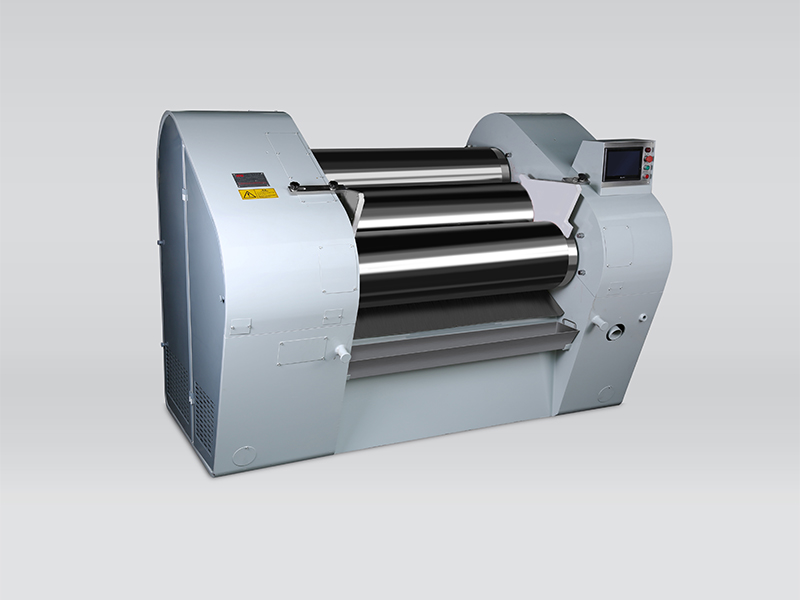
Grain Crush Comparison
You want your grains crushed evenly for the best results. A 2-roller mill gives you a basic crush. The grains pass through once. You get a mix of whole grains, broken husks, and some flour. This works well for most homebrewers. You can adjust the gap, but the crush stays fairly simple.
A 3 roller mill changes the game. The grains go through two stages. First, the rollers crack the grains. Next, the second set of rollers refines the crush. You see fewer whole grains and more uniform pieces. The husks stay intact, which helps with filtration. You get a finer, more consistent crush. This means you can control the process better.
Tip: If you want a smoother mash and fewer stuck sparges, choose a mill that gives you a uniform crush.
Here is a quick comparison table:
Mill Type | Crush Quality | Husk Integrity | Consistency |
|---|---|---|---|
2-Roller Mill | Basic | Moderate | Fair |
3 Roller Mill | Advanced | High | Excellent |
Mash Efficiency Impact
You care about mash efficiency because it affects how much sugar you get from your grains. A 2-roller mill gives you decent efficiency. You might see some grains that escape the crush. This can lower your yield.
With a 3 roller mill, you get a finer crush and better husk protection. You see more sugars extracted from the grains. The mash flows smoothly. You avoid stuck sparges. You can use a coarser setting and still get high efficiency. This helps you save time and ingredients.
You get more control over your brewing process.
You see higher yields and clearer wort.
You spend less time fixing problems during the mash.
Note: Many industrial users choose advanced mills for consistent results and higher efficiency.
Speed and Throughput
Milling Speed
You want your mill to process grains quickly and efficiently. A 2-roller mill usually works at a steady pace. You feed grains through the rollers, and the mill crushes them in one pass. You can finish small batches fast. You do not need to wait long for results. This makes the 2-roller mill a good choice for homebrewers who work with smaller amounts.
A 3 roller mill gives you more speed and consistency. The extra roller allows grains to move through two crushing stages without stopping. You see a smoother flow and less downtime. You can process larger batches in less time. Industrial mills, like Zili’s High-Precision Three Roll Mills, use advanced motors and hydraulic systems. These features boost speed and keep the process uniform. You can rely on these mills for high-volume production.
Here is a quick comparison:
Mill Type | Milling Speed | Suitable Batch Size |
|---|---|---|
2-Roller Mill | Moderate | Small to Medium |
3 Roller Mill | Fast | Medium to Large |
Zili 3 Roll Mill | Very Fast | Industrial Scale |
Tip: If you need to process large batches or want faster results, a 3 roller mill can help you save time.
Batch Size Handling
You need to think about how much material you want to process at once. A 2-roller mill handles small batches well. You can use it for homebrewing or small projects. You do not need special equipment or extra space.
A 3 roller mill handles bigger batches. You can crush more grains in one session. You see less clogging and smoother operation. Industrial mills, like Zili’s, handle huge volumes. You can use them for continuous production. These mills support automatic feeding and precise control.
You can choose a mill based on your batch size needs.
You can scale up your production with a 3 roller mill.
You can rely on industrial mills for consistent, high-volume output.
Note: Always match your mill to your batch size and production goals. This helps you get the best results and avoid delays.
Adjustability and Control
Gap Adjustment
You want control over how fine or coarse your crush turns out. Both 2-roller and 3-roller mills let you adjust the gap between the rollers. This gap determines the size of the crushed grains or particles. When you set a smaller gap, you get a finer crush. A wider gap gives you a coarser result.
Most mills offer gap adjustment ranges from 20 microns (μm) down to 1 micron (μm).
You can achieve a fineness of less than 5 microns after three to five passes.
High-end pigmented pastes often reach below 10 microns within two to three passes.
Electronic silver paste and cosmetic skin foundation can reach below 5 microns within three to five passes.
You can see that a 3-roller mill gives you more precision. You can make tiny adjustments to the gap. This helps you reach the exact texture you want. If you work with sensitive materials or need a very fine grind, this level of control is important.
Fine-Tuning for Grain Types
Different grains have different sizes and hardness. You need to adjust your mill to match each type. Both 2-roller and 3-roller mills allow you to change the gap setting. This helps you get the best crush for each grain.
"Adjustable gap setting allows you to fine tune your preferred crush level and adapt to the kernel size of different malts. 3 roller mills are more effective at cracking the husk of the grain and offer better crushing performance in a single pass."
You can adjust the gap for each grain type to optimize performance.
3-roller mills provide better efficiency in a single pass, especially for cracking the husk.
You should fine-tune settings based on grain type and size, which can vary a lot.
The adjustable gap in a 3-roller mill lets you handle many types of grains. You can switch from barley to wheat or rye and still get a consistent crush. This flexibility helps you achieve the best results, whether you brew at home or work in an industrial setting.
Durability and Maintenance
Wear and Longevity
You want your mill to last a long time. The materials used in the rollers and the overall build quality play a big role in durability. A 2-roller mill often uses hardened steel rollers. These rollers handle homebrewing tasks well and resist wear for many years.
A 3-roller mill usually features stronger construction. You may find dual-metal alloy rollers in advanced models. These rollers give you extra hardness and longer life. Some mills, like Zili’s High-Precision Three Roll Mills, offer ceramic rollers made from Zirconia or Alumina. These materials resist wear and do not corrode. You can use them for sensitive or abrasive materials.
Tip: If you plan to use your mill often or for industrial work, choose a model with high-quality rollers. This choice will save you money over time.
Here is a quick comparison:
Mill Type | Roller Material | Expected Lifespan | Special Features |
|---|---|---|---|
2-Roller Mill | Hardened Steel | Good | Simple design |
3 Roller Mill | Alloy/Ceramic Options | Excellent | Advanced roller options |
Cleaning and Upkeep
You need to keep your mill clean for the best results. Regular cleaning prevents buildup and keeps your mill running smoothly. A 2-roller mill has a simple design. You can take it apart quickly and brush out leftover grains or dust.
A 3-roller mill may have more parts, but many models make cleaning easy. For example, Zili’s mills include special washing ports. You can flush out pastes or powders without taking the mill apart. This feature saves you time and reduces the risk of cross-contamination.
Brush or vacuum out loose material after each use.
Use the built-in cleaning ports if your mill has them.
Check the rollers for wear or buildup every month.
Note: Clean rollers last longer and give you better results. Make cleaning part of your regular routine.
You can keep your mill in top shape with simple steps. Good maintenance means better performance and a longer lifespan for your equipment.
Cost and Value
Price Comparison
You want to know how much each type of mill costs before you decide. Price matters, especially if you have a budget. A 2-roller mill usually costs less. You can find many models for home use at a lower price. A 3-roller mill costs more because it has extra parts and advanced features. If you look at industrial mills, like Zili’s High-Precision Three Roll Mills, you see a higher price. These mills use special materials and technology for top performance.
Here is a simple price comparison:
Mill Type | Typical Price Range | Best For |
|---|---|---|
2-Roller Mill | $80 – $200 | Homebrewers, beginners |
3 Roller Mill (Home) | $150 – $350 | Advanced homebrewers |
3 Roller Mill (Industrial) | $2,000 – $50,000+ | Industrial production |
Note: Prices can change based on size, brand, and features. Always check what comes with your mill before you buy.
Long-Term Value
You want to get the most for your money. Think about more than just the price tag. A mill that lasts longer or works better can save you money over time. Here are some things to consider:
You spend less on repairs if you choose a mill with strong rollers.
You save time with a mill that works faster and needs less cleaning.
You get better results with a mill that gives you a consistent crush.
You can handle bigger batches as your needs grow.
You may increase your profits if you use a mill for business.
A 3-roller mill often gives you more value in the long run. You get better control, higher efficiency, and less waste. If you use your mill often or for business, investing in a high-quality model like Zili’s High-Precision Three Roll Mills can pay off. You get reliable performance and support for many years.
Tip: Think about how you will use your mill. A higher upfront cost can mean bigger savings and better results over time.
3 Roller Mill Applications
Homebrewing Uses
You can use a 3 roller mill to improve your homebrewing process. Many homebrewers choose this type of mill because it gives a more consistent grain crush. You will notice that the grains break evenly, which helps you get better results in your mash. The design of a 3 roller mill also helps keep the grain husk whole. This makes filtering easier during sparging or lautering.
Here are some ways a 3 roller mill can help you at home:
You get a more even grain crush, which leads to better sugar extraction.
The husks stay mostly intact, so you have fewer problems with stuck sparges.
You can use a coarser crush and still see good recirculation rates during the mash.
Your wort becomes clearer, and you get more uniform temperatures in your mash.
You will find that these benefits make your brewing smoother and your beer quality higher.
Industrial and Specialty Uses
You can use a 3 roller mill in many industries. Zili’s High-Precision Three Roll Mills show how advanced these machines can be. These mills use hydraulic systems for strong and steady pressure. You can adjust the gap between rollers with micron-level accuracy. Some models use ceramic rollers made from Zirconia or Alumina. These rollers work well for materials that need a metal-free environment.
Industries like ink, electronics, cosmetics, and pharmaceuticals rely on 3 roller mills for mixing and grinding. For example, you can use these mills to mix electronic pastes, refine cosmetic creams, or disperse pigments in paint. The advanced cooling system keeps materials at the right temperature. You can trust these mills to deliver fine, even particles every time.
Tip: If you need high-quality results and precise control, a 3 roller mill is a smart choice for both home and industrial use.
Choosing the Right Mill
For Beginners
You may feel overwhelmed when you start looking for a grain mill. You want a tool that is easy to use and simple to clean. Most beginners choose a 2-roller mill because it has a straightforward design. You can adjust the gap between the rollers without much trouble. You do not need special skills to operate it.
When you compare mills, you should think about these factors:
Type of mill (stone, steel, or impact)
Ease of use
Cleaning requirements
Noise levels
Versatility for different grains
How the mill looks in your space
A user-friendly mill, like the Mockmill, lets you adjust settings easily. You can see what is happening as you grind. This helps you learn and get better results. Some mills have enclosed designs. These can make it harder to check your progress or change the settings. You want a mill that gives you control and confidence.
Tip: Start with a 2-roller mill if you are new to milling. You will find it easier to use and maintain.
For Advanced or Industrial Users
You may need more features as you gain experience or work in a professional setting. A 3-roller mill gives you better control over the crush. You can fine-tune the gap for different grains or materials. You get a more consistent product with less effort.
If you work in an industrial environment, you should look for advanced options. Zili’s High-Precision Three Roll Mills offer features like hydraulic pressure systems, ceramic rollers, and micron-level gap adjustments. You can process high-viscosity materials with great accuracy. These mills also have cooling systems to protect sensitive products.
Here is a quick comparison:
User Type | Recommended Mill | Key Benefits |
|---|---|---|
Beginner | 2-Roller Mill | Easy to use, simple to clean |
Advanced/Home Pro | 3 Roller Mill | Better control, higher efficiency |
Industrial | Zili 3 Roll Mill | Precision, durability, high output |
Note: Choose a mill that matches your needs and skill level. You will get the best results when your equipment fits your goals.
You now know the key differences between a 2-roller mill and a 3-roller mill. If you brew at home or want a simple tool, a 2-roller mill works well. For better control and higher efficiency, choose a 3-roller mill. Industrial users get the best results with advanced mills like Zili’s High-Precision Three Roll Mills.
Think about your needs, budget, and goals. You can contact us for more advice or share your experience below!
FAQ
What is the main benefit of a 3 roller mill over a 2-roller mill?
You get a finer and more consistent crush with a 3 roller mill. This helps you improve efficiency and control. You also see better results in both homebrewing and industrial applications.
Can you use a 3 roller mill for materials other than grains?
Yes, you can. You can use a 3 roller mill for inks, cosmetics, electronic pastes, and pharmaceuticals. Zili’s High-Precision Three Roll Mills work well for high-viscosity materials.
How do you clean a 3 roller mill?
You can brush or vacuum out loose material after each use. Some advanced mills, like Zili’s, have special washing ports. These ports let you flush out pastes or powders quickly.
Does a 3 roller mill require more maintenance than a 2-roller mill?
You may spend a little more time on maintenance because a 3 roller mill has more parts. However, many models make cleaning and upkeep easy with user-friendly designs.
How do you choose the right roller material?
You should match the roller material to your needs. Alloy rollers last long and work for most uses. Ceramic rollers, like Zirconia or Alumina, suit sensitive or metal-free applications.


