


What is the use of a triple roller mill
You use a triple roller mill to mix and refine materials for smoothness and uniformity. Professionals choose this equipment for several reasons:
You achieve up to 90% particle consistency, which boosts efficiency.
You use less energy, only 30 to 38 kWh per ton.
You handle different moisture levels without clogging. This process helps you produce high-quality products faster. If you work in manufacturing, coatings, or cosmetics, understanding this tool gives you a clear advantage.
Key Takeaways
A triple roller mill achieves up to 90% particle consistency, enhancing product quality and efficiency.
This machine uses less energy, processing materials with only 30 to 38 kWh per ton, which lowers operational costs.
You can adjust the roller gaps to control the fineness of your product, allowing for customization based on material needs.
Regular maintenance and proper setup are crucial for optimal performance, helping to prevent breakdowns and ensure consistent output.
The versatility of a triple roller mill makes it suitable for various industries, including food processing, cosmetics, and pharmaceuticals.
What is a triple roller mill?
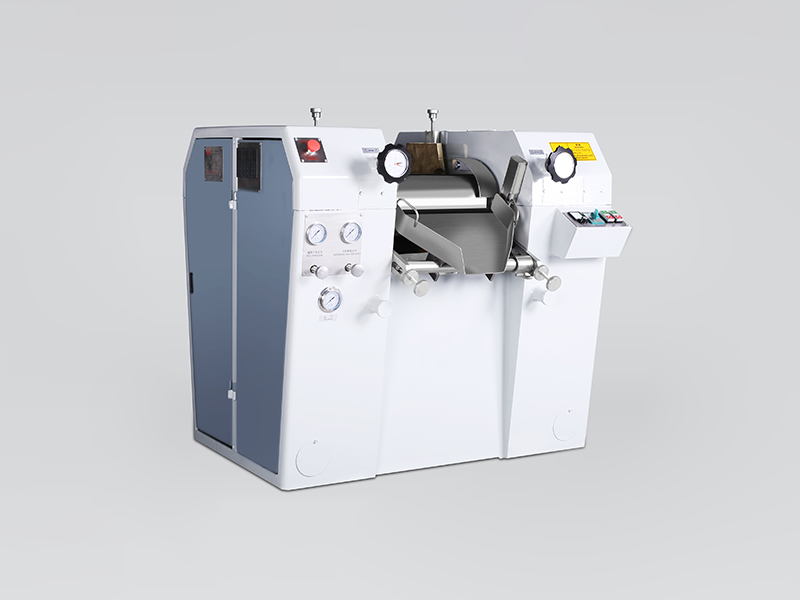
Structure overview
You see a triple roller mill as a machine with three parallel rollers. Each roller spins at a different speed. The first roller is the feed roll, the second is the center roll, and the third is the apron roll. You feed your material between the first and second rollers. The rollers squeeze and pull the material through two narrow gaps. Each gap gets smaller and moves faster than the last. This setup creates strong compression and shear forces.
Tip: You can adjust the gap between the rollers. This lets you control how fine or smooth your final product becomes.
Here is how the structure stands out:
Three rollers sit side by side, each turning at a unique speed.
The first gap handles the initial mixing.
The second gap applies even more pressure for finer dispersion.
You can change the roller spacing for different materials.
This design helps you break down large clumps in thick pastes. You get a smooth, even output. The triple roller mill works better than a two-roll mill because it gives you more control and stronger shearing action.
Main function
You use a triple roller mill to process high-viscosity materials. These include inks, paints, pigments, and silicone rubber. The main job of this mill is to mix, refine, and disperse particles until they reach a uniform size. You need this when you want your product to look and feel smooth.
The triple roller mill stands out because:
It creates very high shear, which breaks up tough lumps.
It works best for thick, sticky materials that need more than just crushing.
You get a consistent, fine texture every time.
You will notice that other mills, like two-roll mills, cannot match this level of dispersion. Those machines work well for simple crushing. When you need fine, even mixing, you choose a triple roller mill. This tool gives you the power to make products that meet strict quality standards.
How a triple roller mill works
Rolling mechanism
You see the rolling mechanism as the heart of the triple roller mill. Each roller spins at a different speed. When you feed material into the first gap, the rollers grab it and pull it through. The first roller moves slower than the second, and the third roller moves the fastest. This speed difference creates strong shear forces.
As the material passes through the narrow spaces between the rollers, it faces both compression and shear. Compression squeezes the material, while shear tears it apart. These forces break down clumps and mix the particles evenly. You get a smooth, uniform mixture because the rollers work together to spread and blend the material. This process works especially well for thick, sticky substances that need extra force to mix.
Note: The gap between each roller controls how fine your mixture becomes. You can adjust these gaps to match the needs of your product.
Processing steps
You follow a clear set of steps when you use a triple roller mill:
Feed the material: You place your paste or mixture onto the feed roll. The roller grabs the material and starts moving it forward.
First gap action: The material enters the first gap between the feed and center rolls. Here, it faces strong compression and some shear. Large lumps break down, and the mixture starts to smooth out.
Second gap action: The material moves to the second gap, between the center and apron rolls. This gap is even tighter. The rollers spin faster, so the shear force increases. The mixture becomes even finer and more uniform.
Collection: The apron roll collects the finished product. You scrape the smooth, blended material off the surface.
You control the quality of your product by adjusting the roller speeds and the size of the gaps. The triple roller mill lets you fine-tune these settings for each batch. This control helps you achieve the best possible dispersion and consistency. The rollers use both pressure and speed to break down agglomerates and create a uniform blend. You can rely on this process to handle even the most challenging materials.
Tip: Always check the roller settings before you start. Small changes can make a big difference in your final product.
Triple roller mill benefits
Dispersion and consistency
You want your products to look and feel the same every time. The triple roller mill helps you achieve this goal. When you use this machine, you break down large clumps and mix particles evenly. The rollers apply strong pressure and shear, so you get a smooth and uniform mixture. This process gives you better color, texture, and quality in your final product. You can trust the triple roller mill to deliver the same results with each batch.
Tip: Consistent dispersion means fewer defects and less waste in your production line.
Efficiency and productivity
You save time and energy when you use a triple roller mill. The rollers work quickly to mix and refine thick materials. You do not need to run the machine for long periods. This speed helps you finish more batches in less time. You also use less power because the mill handles tough materials without clogging. Your workflow becomes smoother, and you can meet deadlines more easily.
You process high-viscosity materials faster.
You reduce the need for extra mixing steps.
You lower your energy costs.
Versatility
You can use a triple roller mill in many industries. This machine adapts to different materials and processes. Here are some ways you benefit from its versatility:
Food processing: You reduce wheat grains to flour.
Chocolate processing: You grind cocoa nibs for smooth chocolate.
Pharmaceuticals: You enhance the solubility of powders.
Paints and inks: You mix pigments for even color.
Coatings: You create high-quality dispersions for coatings.
You can switch between products with simple adjustments. This flexibility makes the triple roller mill a smart choice for many manufacturing needs.
Triple roller mill applications
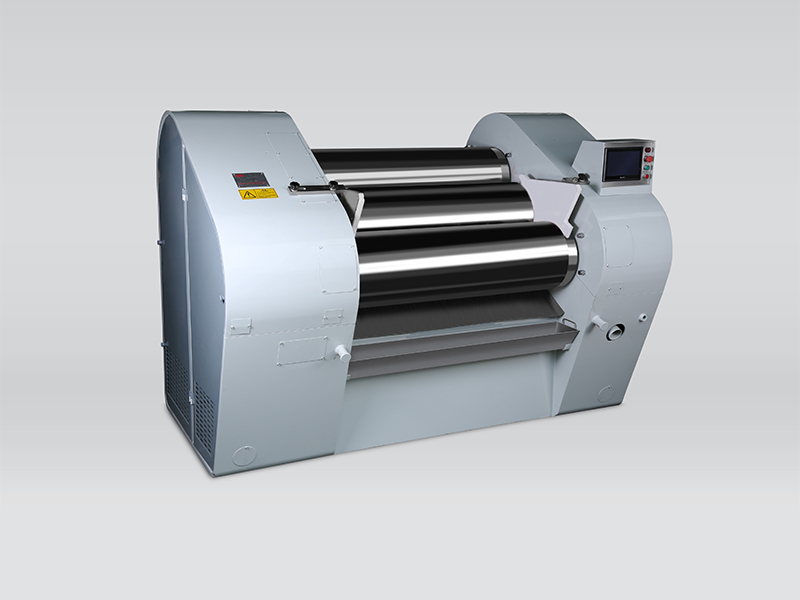
Key industries
You find the triple roller mill in many important industries. Manufacturers use this machine to improve product quality and consistency. You see it in the paint and ink industry. Workers rely on it in cosmetics production. Pharmaceutical companies use it to mix powders and creams. Food processing plants use it to refine ingredients. You also find it in pigment and chemical manufacturing. Each industry values the mill for its ability to handle thick, sticky materials.
Note: You can switch between different industries with simple adjustments to the machine. This flexibility helps you meet many production needs.
Typical products
You use a triple roller mill to make many common products. Here are some examples:
Inks for pens and printers
Paints for walls and art
Lipsticks and creams in cosmetics
Medicines and ointments in pharmaceuticals
Pigments for coloring materials
Food pastes and spreads
You see these products every day. The triple roller mill helps you create smooth, even mixtures. You get bright colors in paints and inks. You make soft, creamy textures in cosmetics and foods. You also ensure that medicines mix well for safe use.
Tip: When you want high-quality, uniform products, you choose this machine for your process.
Operation tips
Setup guidelines
You start by preparing your triple roller mill for safe and efficient operation. You check the rollers for cleanliness and make sure there are no leftover materials from previous batches. You inspect the gaps between the rollers and adjust them to match your product requirements. You verify that all safety guards are in place. You confirm that the feed system works smoothly.
Tip: Always keep spare parts nearby. You avoid delays if you need to replace a worn component.
You look for signs of wear or damage. You check for excessive vibration, which can signal mechanical issues. You monitor the pressure between rollers. High differential pressure can mean an imbalance in material flow. You address these problems early to prevent production capacity loss.
Challenge | Description |
|---|---|
High Differential Pressure | Imbalance in material flow, leading to reduced output and increased power consumption. |
Production Capacity Loss | Gradual decline in output, affecting efficiency. |
Excessive Vibration | Mechanical issues and reduced stability, requiring regular maintenance checks. |
You set up a maintenance schedule based on performance data. You prepare detailed plans to cover all aspects of maintenance. You train your maintenance staff so they know best practices.
Usage best practices
You follow best practices to maximize output and minimize downtime. You fine-tune settings based on your experience. You use real-time monitoring and historical trends to optimize the mill. You communicate with other shifts to keep operations consistent.
You adjust roller gaps and speeds for each batch.
You monitor material flow to prevent clogging.
You keep spare parts available for quick repairs.
You train your team and share knowledge to reduce reliance on individual expertise.
Note: You improve efficiency by analyzing performance data and setting maintenance intervals.
You address common challenges by checking for vibration and pressure changes. You keep your mill running smoothly by following these steps. You ensure high-quality output and reduce waste.
Maintenance & safety
Routine maintenance
You keep your triple roller mill running smoothly by following a clear maintenance routine. Clean the rolls after each use to prevent debris build-up. Choose high-quality rolls for better performance and longer life. Prepare your feedstock so it flows well and stays homogeneous. Adjust the gaps between rolls to match your desired particle size. Balance the operating speed to avoid overheating. Use cooling systems to manage temperature during operation. Train your operators so they know how to handle the mill and maintain it properly.
Tip: Regular maintenance helps you avoid unexpected breakdowns and keeps your mill working efficiently.
Here is a table showing common causes of equipment failure and how you can prevent them:
Cause of Failure | Description | Preventive Maintenance |
|---|---|---|
Impurities in Rolls | Microcracks and spalling from inclusions | Use ESR to remove impurities during manufacturing |
Cold Work Hardening | Cracks from high rolling forces | Monitor forces and adjust parameters |
Tension Fluctuations | Strip breakage and thermal shock | Implement stable tension control systems |
Poor Raw Material Quality | Stress concentration and fractures | Ensure quality control of raw materials |
Omission of Flaw Detection | Failures from undetected flaws | Conduct regular non-destructive testing |
Unreasonable Replacement | Increased brittleness and risk of failure | Set a standardized roll replacement schedule |
Disorganized Assembly | Wear and misalignment | Use specialized equipment for assembly/disassembly |
Safety measures
You protect yourself and your team by following strict safety measures. Always follow safety rules and training. Never bypass safety systems or guards. Wear proper personal protective equipment like gloves, goggles, and fire-resistant clothing. Stay alert around moving parts and hot surfaces.
Note: Safety keeps you and your coworkers safe and prevents accidents.
Here are some important industry standards for safe operation:
Standard | Description |
|---|---|
CE Certification | Meets European machinery safety and electromagnetic compatibility directives |
ANSI Compliance | Follows ANSI/NFPA 79 for industrial machinery safety |
IEC 60204-1 | Complies with international electrical equipment safety standards |
You keep your workplace safe by following these guidelines and standards. You reduce risks and ensure smooth operation every day.
You gain many benefits when you use a triple roller mill. You improve product quality, boost efficiency, and handle many materials with ease. Proper operation and maintenance help you extend equipment life, improve production quality, and save costs, as shown below:
Benefit | Description |
|---|---|
Extends Plant Lifespan | High-quality rolling mill equipment resists wear and tear, preventing breakdowns and downtime. |
Improves Production Quality | Proper maintenance ensures consistent operation, preserving product quality over time. |
Achieves Cost Savings | Reduces maintenance costs and minimizes energy waste, leading to overall cost efficiency. |
You can learn more through industry training, such as the Packaging Training Course from IAOM, which covers system maintenance and reliability.
FAQ
What materials can you process with a triple roller mill?
You can process thick pastes, creams, and high-viscosity materials. These include inks, paints, cosmetics, food pastes, and pharmaceutical creams. The mill works best with sticky or dense mixtures that need fine dispersion.
How do you clean a triple roller mill?
You should clean the rollers after each use. Use a soft brush or cloth to remove leftover material. For sticky substances, use a mild solvent. Always follow the manufacturer's cleaning instructions for best results.
Can you adjust the fineness of your product?
Yes, you can. Adjust the gaps between the rollers to control how fine your mixture becomes. Smaller gaps create smoother, finer products. Always check the settings before starting a new batch.
Is a triple roller mill safe to use?
You stay safe by following all safety guidelines. Wear gloves and goggles. Never remove safety guards. Make sure you receive proper training before operating the mill.
How often should you perform maintenance?
You should inspect and clean the mill after every use. Schedule a full maintenance check every few weeks. Regular care helps you avoid breakdowns and keeps your mill running smoothly.


